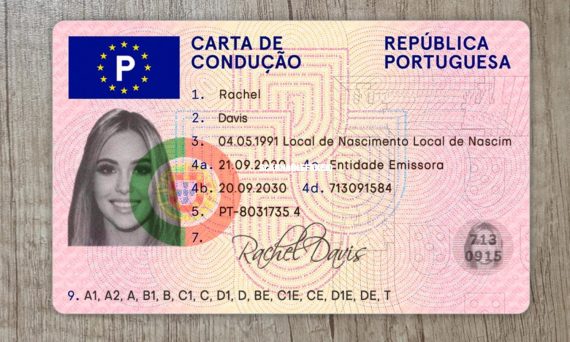
Get Driving License 101"The Ultimate Guide For Beginners


Getting Your Driving License: A Comprehensive Guide
Acquiring a driving license is a considerable milestone for many individuals around the world. It represents not only greater independence but also an obligation towards road safety. This post provides an extensive guide to the process of getting a driving license, covering the essential steps, requirements, and crucial details that prospective chauffeurs should know.
Understanding the Types of Driving Licenses
Before diving into the process of getting a driving license, it's important to comprehend that there are various types, depending on the vehicle you plan to drive. Below are the common kinds of driving licenses:
| License Type | Automobile Type | Age Requirement |
|---|---|---|
| Class A | Industrial vehicles (trucks, buses) | 18 years or older |
| Class B | Traveler vehicles | 18 years or older |
| Class C | Motorcycles | 16 years or older |
| Class D | Basic driving (cars and truck) | 16 years or older |
Significance of a Driving License
Possessing a driving license allows people to drive lawfully on public roads. Moreover, it communicates competence and understanding of the rules of the road, which are important for ensuring safety for all roadway users. In addition, lots of companies require a valid driving license, especially for functions including transportation.
Steps to Obtain a Driving License
The process to acquire a driving license can vary in between countries and states, however there are common steps that the majority of individuals should follow. Here's a step-by-step guide:
1. Understand the Eligibility Requirements
General eligibility criteria typically consist of:
- Minimum age requirement (differs by automobile type and place)
- Legal residency status
- Adult approval for minors
2. Get ready for the Written Test
Most prospective drivers should pass a written test that assesses their understanding of traffic laws, indications, and safe driving practices. This is commonly referred to as the learner's license test.
Reliable preparation ideas:
- Study the Driver's Handbook specific to your region.
- Take online practice tests.
- Attend a motorist's education course.
3. Get a Learner's Permit
After passing the composed test, individuals can look for a learner's permit, which allows them to practice driving under specific conditions (normally with a certified grownup).
4. Complete Versatile Driving Lessons
Many regions will require new chauffeurs to log a particular variety of driving hours. This can be done through:
- Professional driving schools: Enroll in organized driving courses.
- Personal practice: Driving with a qualified adult motorist.
5. Schedule a Road Test
Once the required hours of practice are satisfied, people can schedule a road test with their local Department of Motor Vehicles (DMV). This test examines a motorist's practical driving abilities in real-life situations.
6. Pass the Road Test
During the road test, inspectors will assess a number of factors including:
- Adherence to traffic laws
- Ability to run the car confidently
- Correct use of mirrors and signals
- Parking and maneuvering skills
7. Obtain Your License
Upon passing the road test, chauffeurs will need to finish any remaining documents, pay suitable charges, and receive their driving license.
8. Abide By Probationary Restrictions
Numerous areas put brand-new motorists on a probationary or provisional license duration. During this time, there may be restrictions such as a curfew or limitations on the number of guests.
Frequently asked questions: Your Questions About Getting a Driving License Answered
1. Just how much does it cost to get a driving license?
Costs can vary considerably depending on place, consisting of charges for tests, application, and training courses. Typically, expenses might vary from ₤ 50 to ₤ 200.
2. For how long does it require to get licensed?
This frequently depends on specific preparation times. Normally, anticipate to spend a few weeks to months from studying for the composed test to scheduling the roadway test.
3. Can I get a driving license without a learner's license?
A lot of jurisdictions need people to get a learner's license before obtaining a full license, acting as a probationary period.
4. What documents are required to apply for a driving license?
Commonly required documents include:
- Proof of identity (e.g., passport, birth certificate)
- Proof of house (e.g., utility expense)
- Social Security Number (where applicable)
5. What happens if I stop working the driving test?
If a motorist stops working the roadway test, they typically should wait a stated duration before retaking it. Facilidade Para Obter Carta De Condução might also be motivated to take more driving lessons before trying again.
Obtaining a driving license is an important journey that signifies self-reliance and responsibility. By comprehending the steps included and preparing adequately for both the written and practical tests, prospective chauffeurs can navigate the process with confidence. Keep in mind, driving is a privilege that brings duties, and having a driving license is just the start.
Secret Takeaway
Being informed and prepared is essential for every single aspiring chauffeur. From mastering the theory to refining practical abilities, a systematic technique to getting a driving license ultimately paves the way for a safe and rewarding driving experience.